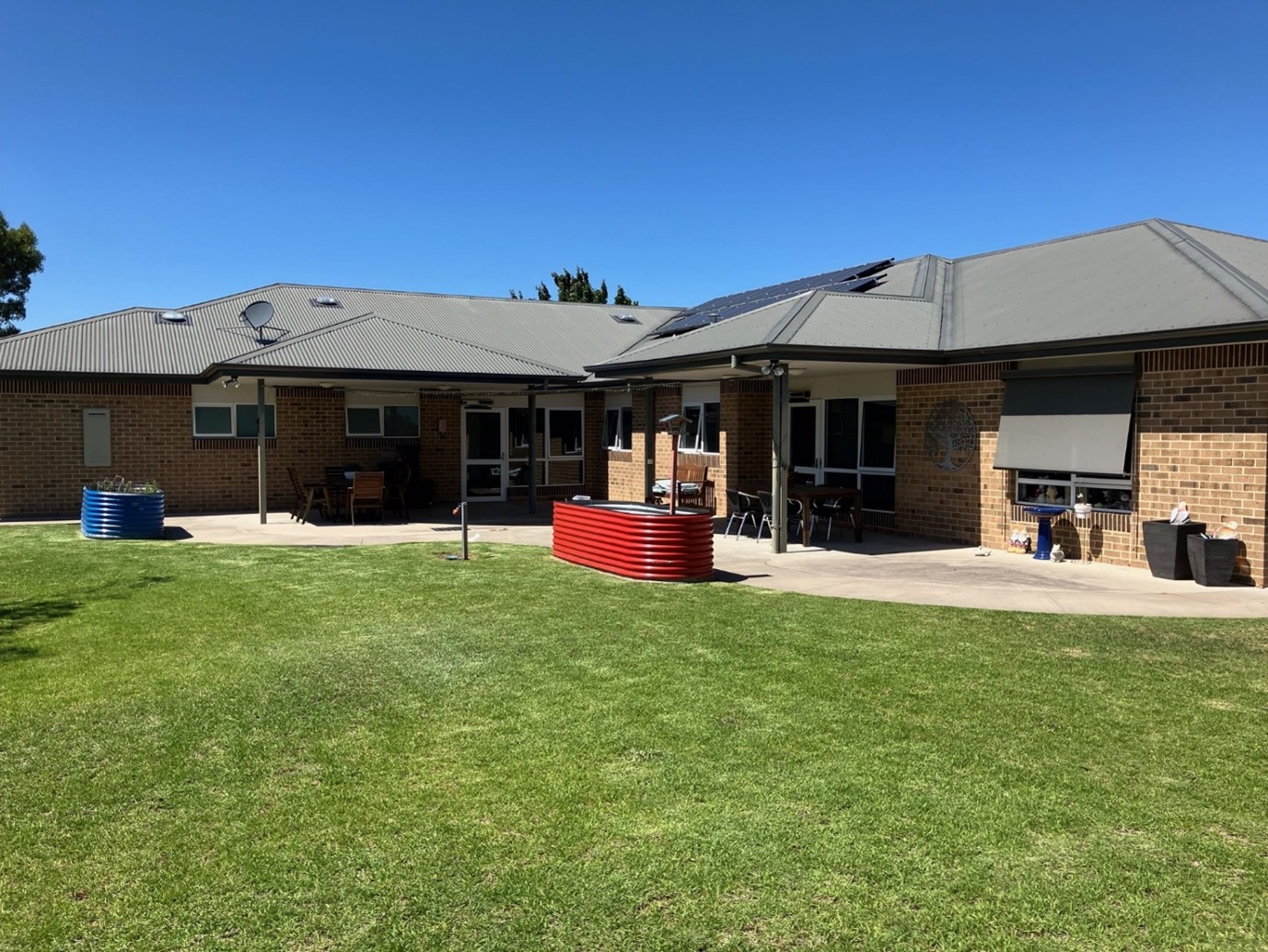
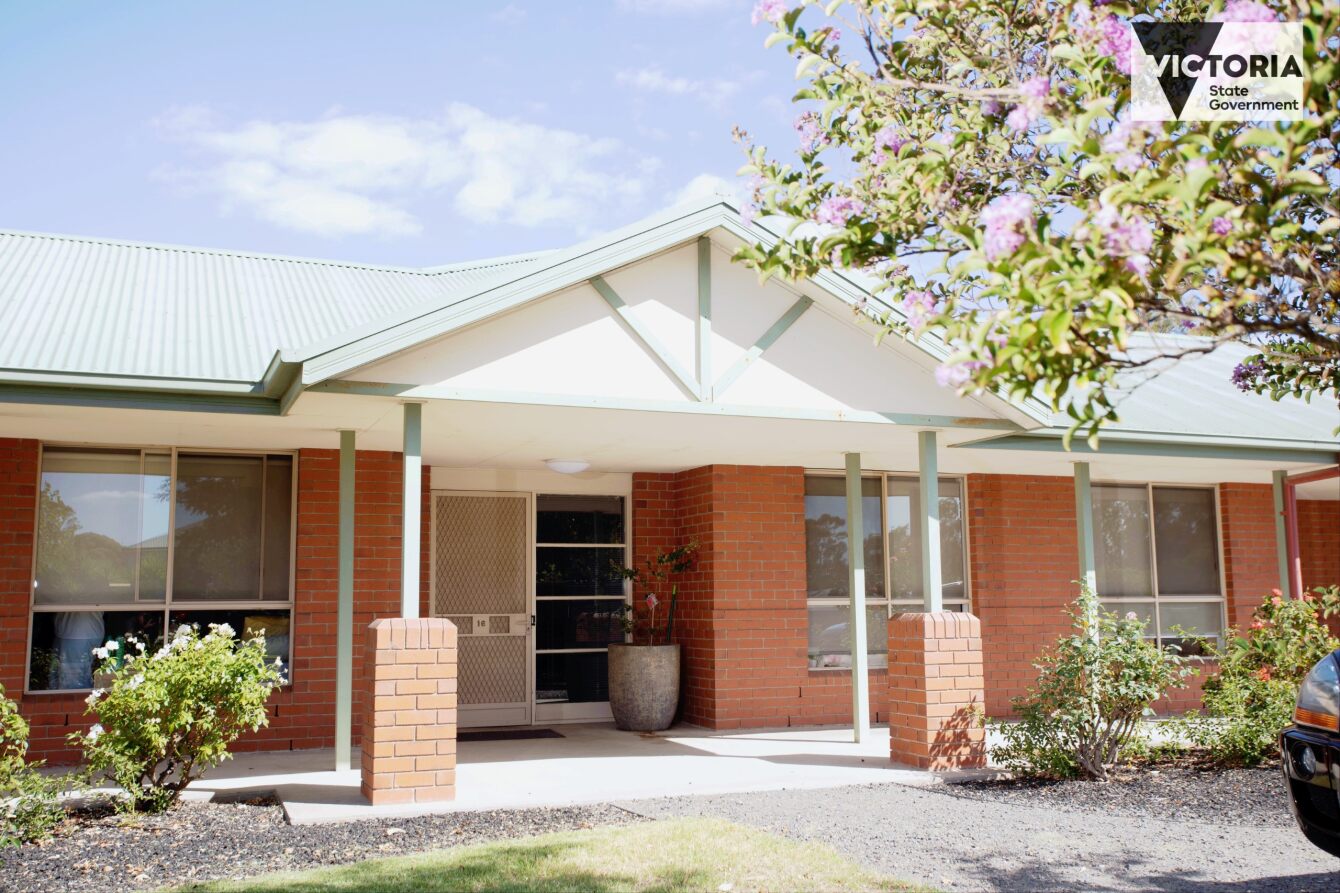
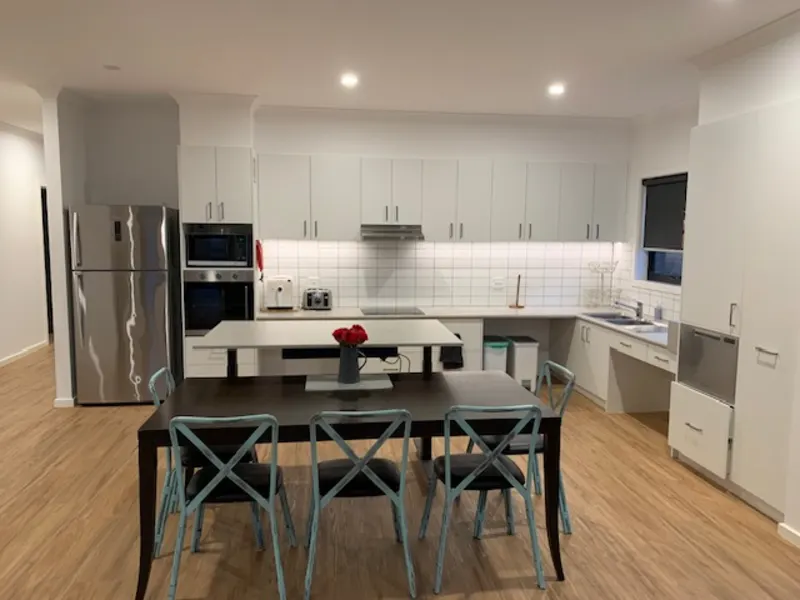
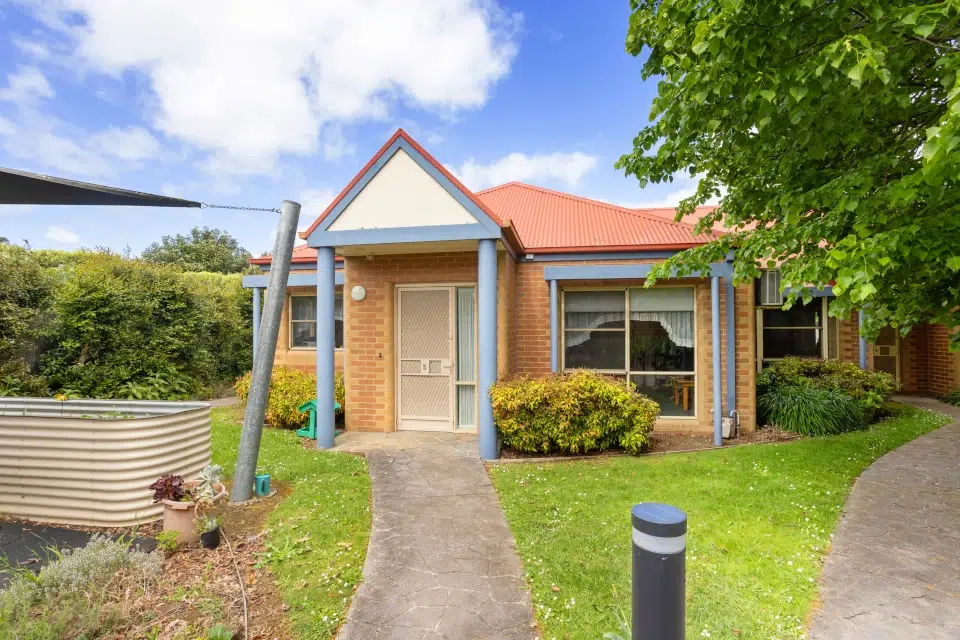
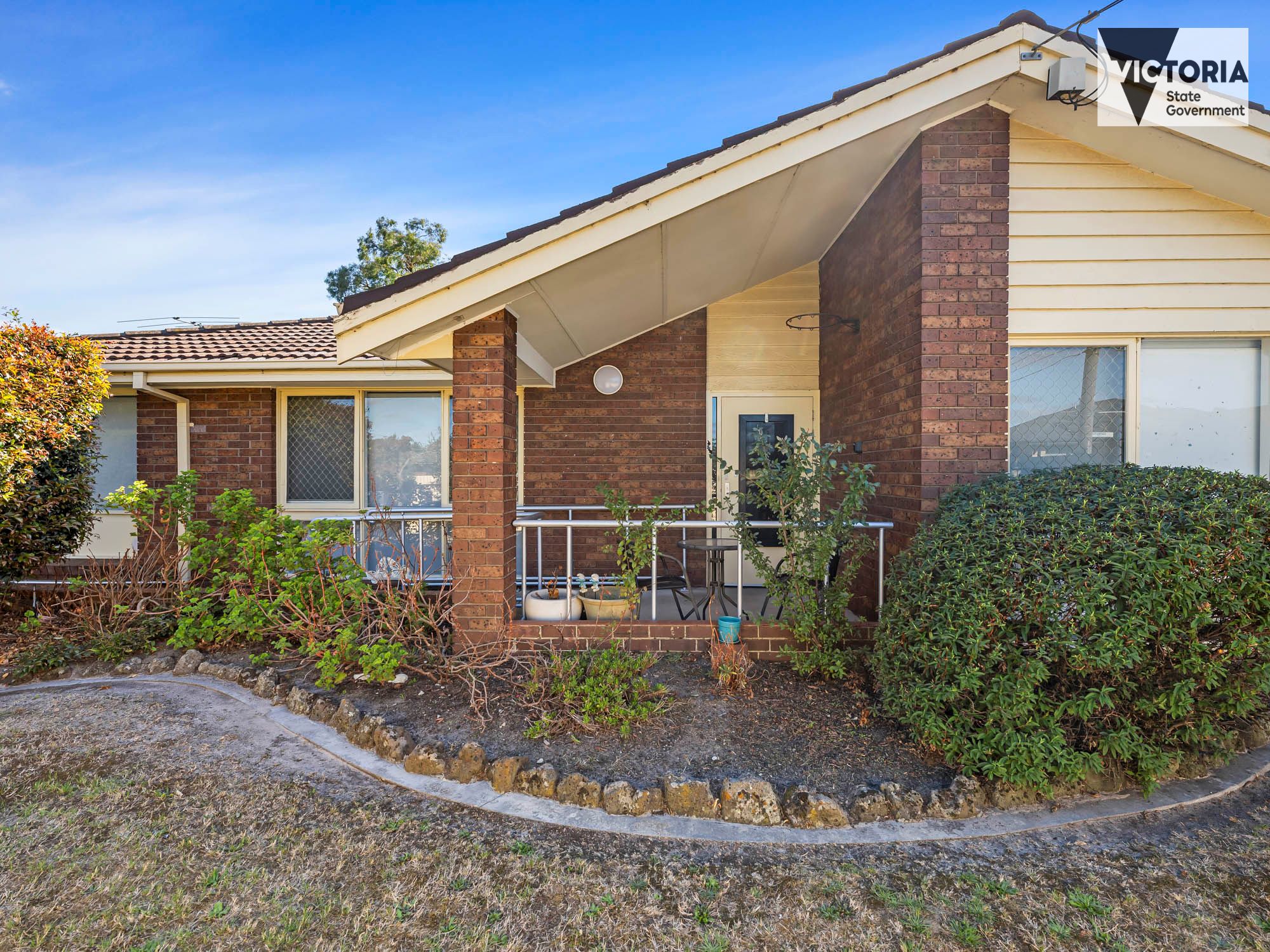
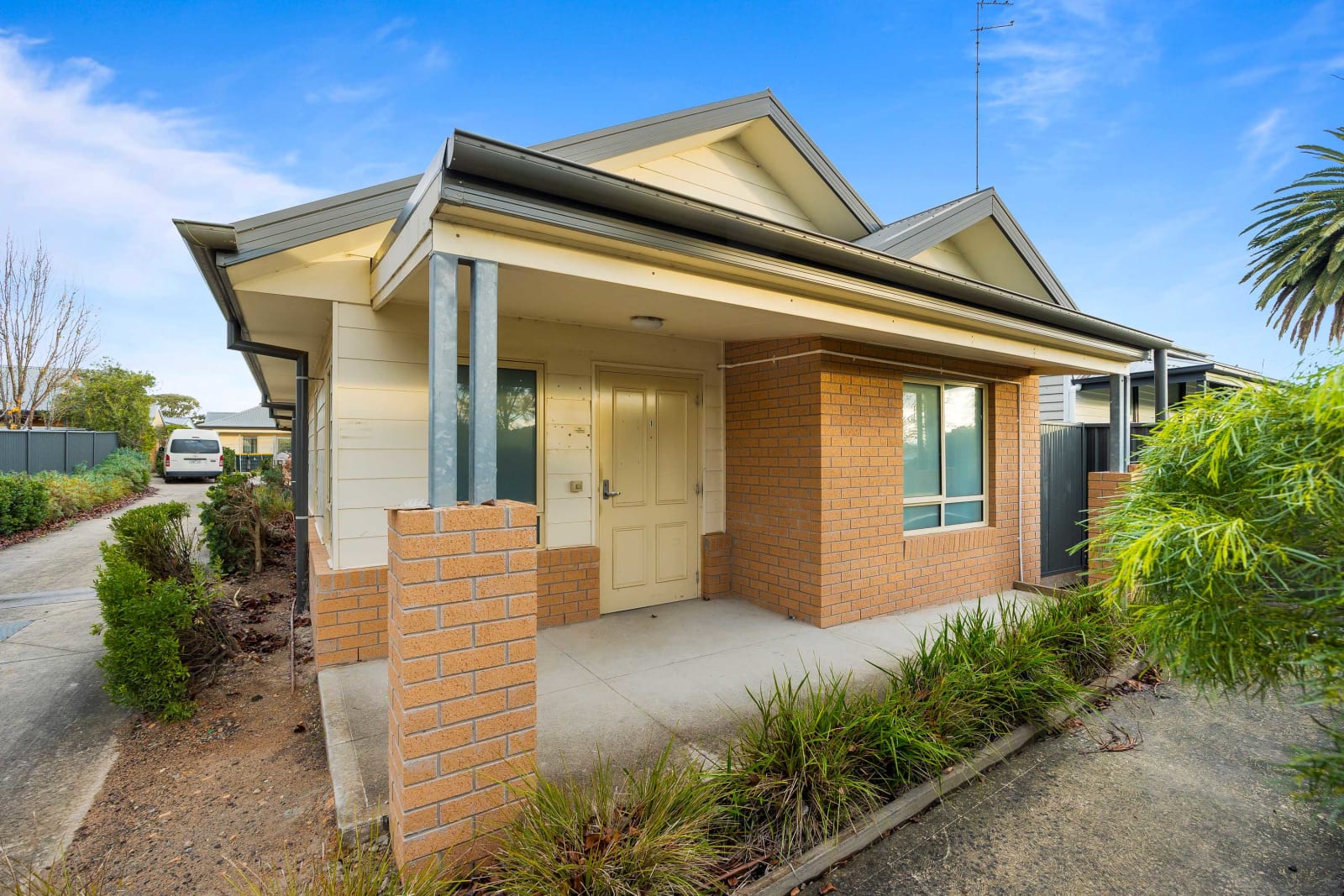
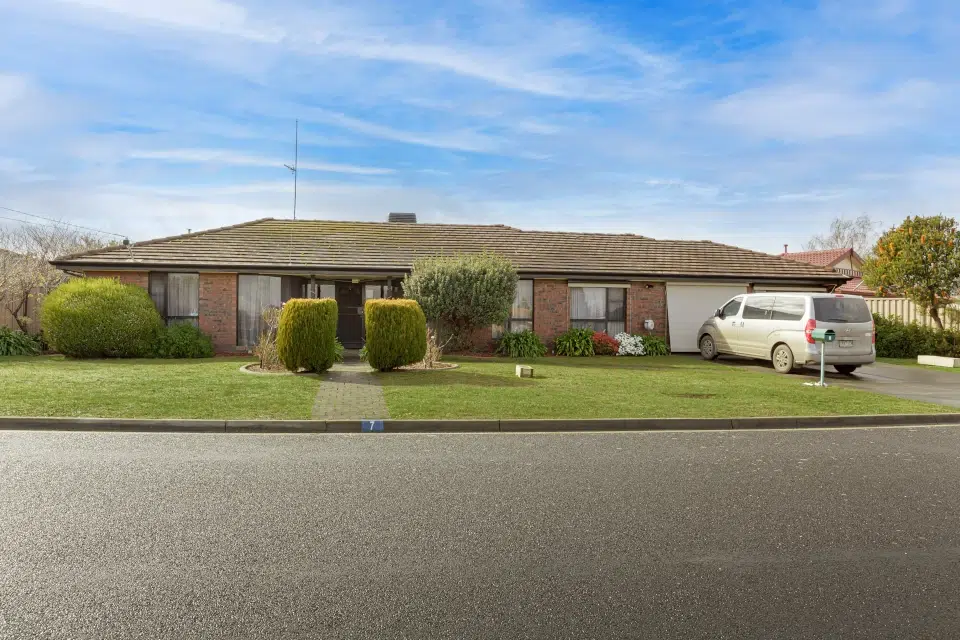
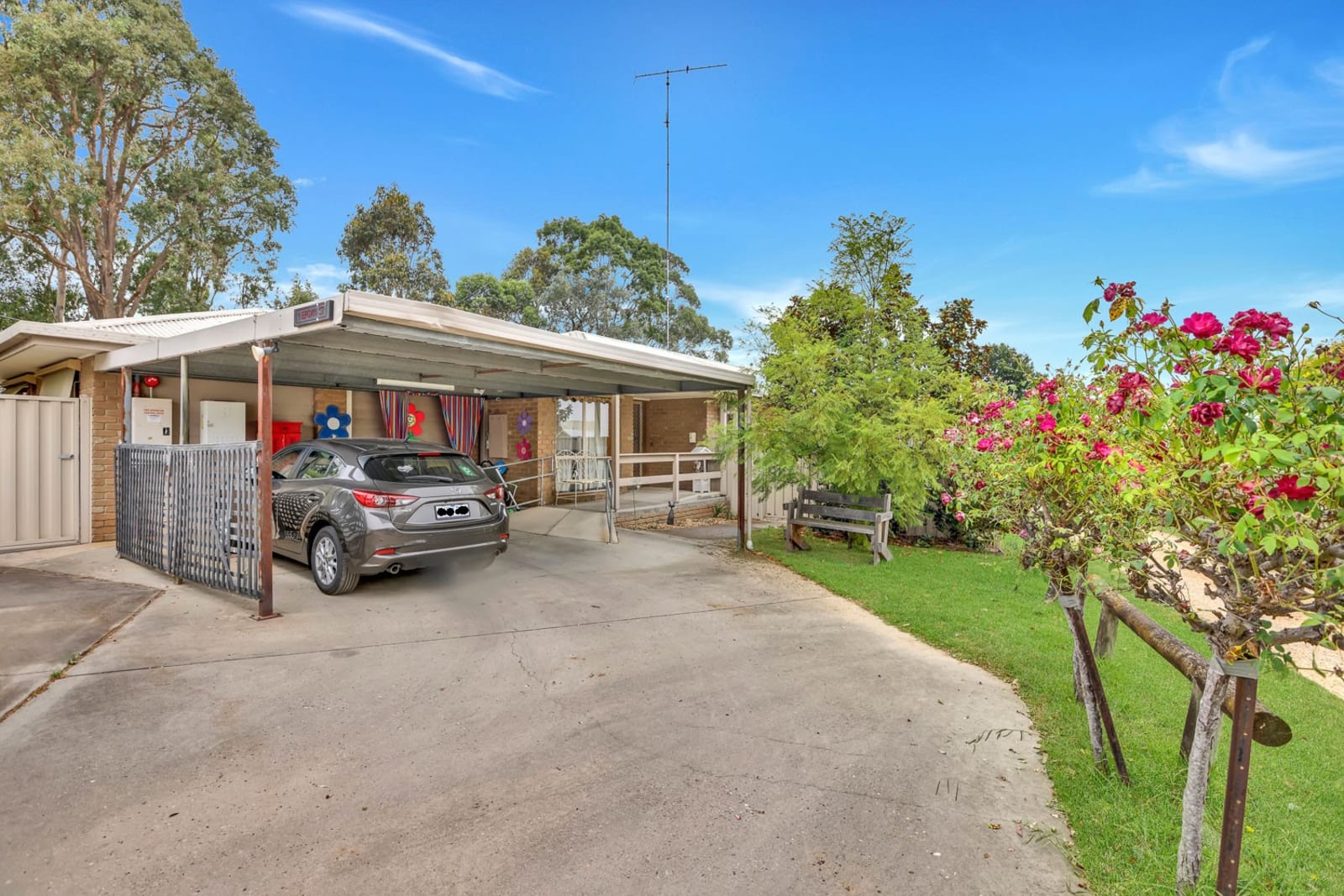
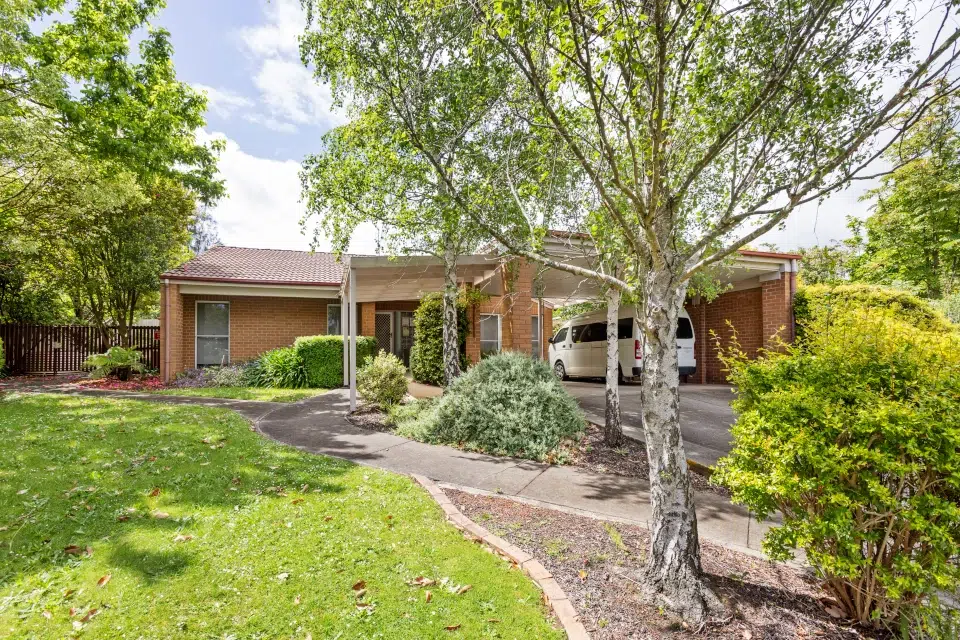
Supported Independent Living in shared living houses is available in:
Supported Independent Living (SIL) is NDIS funding for support you receive in your home throughout the day, and sometimes overnight.
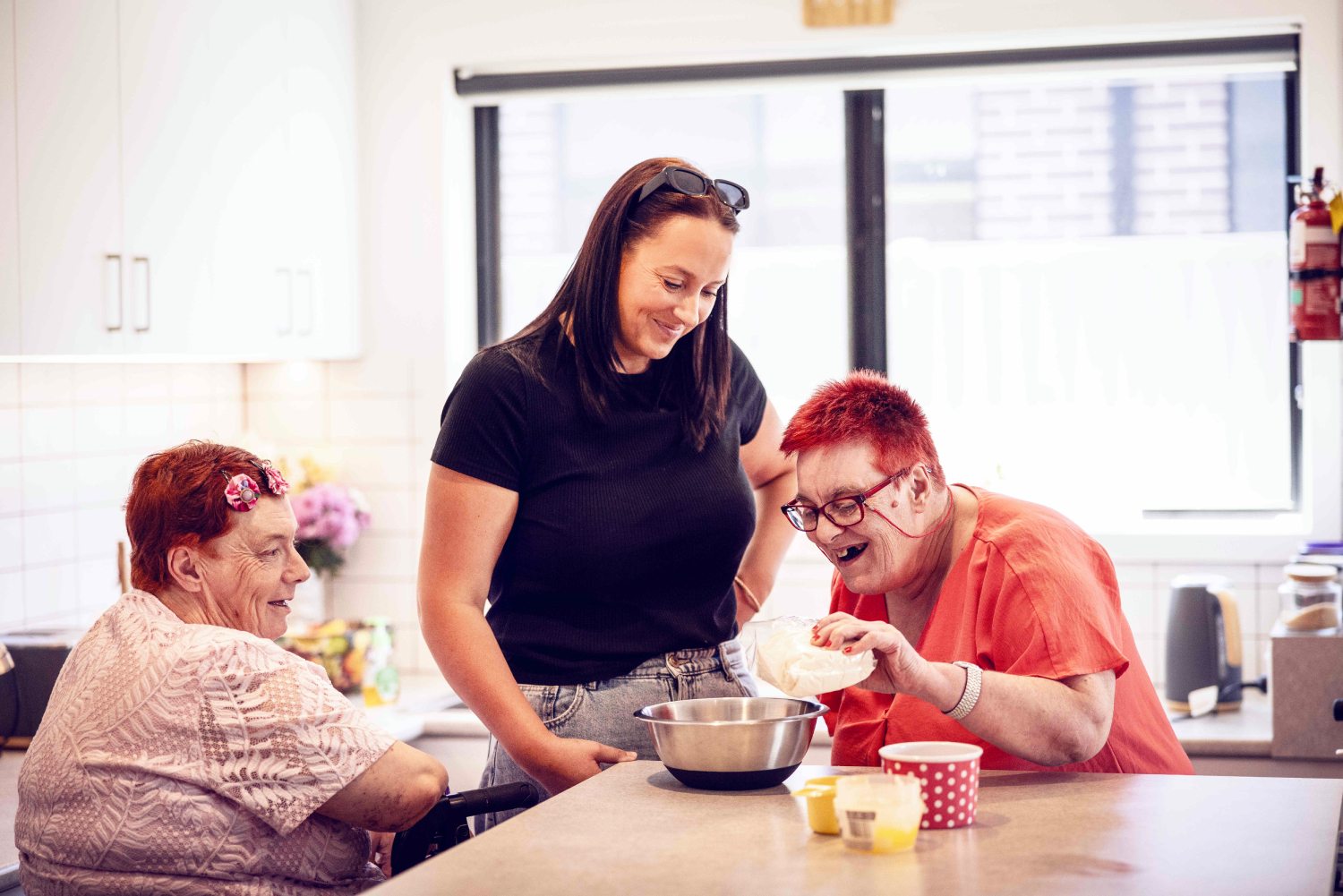
It’s all about having the right support around you to live life your way. Depending on your needs, that might mean having support with personal care, preparing meals, keeping your home clean, managing medication or building skills that matter to you.
SIL funding pays for the support you receive, not the house you live in. Everyday living costs that we’re all responsible for such as rent, groceries and utility bills aren’t covered.
While SIL’s often provided in a shared environment with other people with disability, it can also be used in other living arrangements depending on your situation and funding.
Specialist Disability Accommodation (SDA) and Supported Independent Living (SIL) are different types of NDIS supports that often work together. SDA funds the physical house itself, while SIL funds the daily support you receive inside the home.
At Melba, we believe it’s not just finding the right SDA house; it’s how you live in it that makes it truly feel like home. Our SIL and SDA services work together to create:
Whether you’re wanting to do as much as possible on your own, get out and about more, or there’s something else you’d like to achieve, we understand that independence looks different to everyone.
Surrounding areas within
Our focus isn’t simply on finding you somewhere, anywhere to live. It’s about making sure it feels like your home, and that the people around you and the support you get all feel right for you. Here’s how that looks in practice:
Getting to know you
What you like and how you like it come first. Whether you enjoy a quiet home, love being around people or have particular routines that are important to you, we take the time to understand what feels right before exploring options together.
Finding the right fit
For us, it’s not just about just finding an available room. We carefully explore who you might enjoy sharing a house with so that you’ll be compatible and enjoy living together.
Time to get a feel for things
Choosing where and with who you live is a big decision, not one to rush. Where possible, we can arrange for you to meet with potential housemates, spend some time in the house and get a feel for what everyday life might be like before deciding.
Support that can change with you
Feeling at home isn’t something we stop thinking about once you move in. We keep the conversation going and listen to what’s working and what could be better. As your needs or interests change, we can work with you to make adjustments where possible.
Your home, your choice
This is about you finding a place to call home, and your life. Our role is to give you the information, guidance and support to make informed choices that feel right for you.
If you are seeking support for yourself or someone else, contact us today.
"*" indicates required fields
Supported Independent Living (SIL) means having a support worker come into your home to assist with everyday tasks, so you can do the things that make you happy and live as independently as you can. It’s typically for people who need a higher level of support throughout the day and/or overnight.
What that support looks like depends on the person. It could mean having someone there to support you to get dressed in the morning, to assist with washing or support you to cook dinner. You might need support to manage your medication, plan your weekly budget, establish a daily routine or build confidence to do more things for yourself over time.
SIL is most commonly provided in a shared living house, where you live with other people and some supports are shared. However, SIL pays for the support you receive, not your home or everyday living costs. That means, rent, groceries and household bills such as electricity are generally your responsibility.
A Supported Independent Living (SIL) house is shared or individual housing where you receive paid daily assistance from support workers.
Your NDIS SIL funding pays for the support you receive in your home, such as personal care, preparing meals, household tasks and building everyday skills that matter to you. It doesn’t pay for the house itself, so costs such as rent, groceries and household bills are generally your responsibility.
In Australia, SIL most commonly stands for ‘Supported Independent Living”. It’s a type of NDIS funding that pays for daily and/or overnight support that you receive in your home.
With Supported Independent Living (SIL), the NDIS funds the support you receive in your home, while you’re responsible for your usual living expenses.
NDIS may fund:
You generally pay for:
You may use your personal income (or the Disability Support Pension if you’re eligible) to cover your share of regular living expenses.
SDA is funding for the house itself and covers the design and accessibility features. SIL (supported independent living) is separate funding that covers the daily support services you receive at home.
Specialist Disability Accommodation:
Choosing a Supported Independent Living (SIL) provider is an important decision. The right provider will not only meet your support needs but also help you feel safe, comfortable, and at home.
At Melba, we encourage people and families to take their time, ask questions, and focus on what matters most to them.
It’s important to feel confident and informed. You might ask:
A great provider will:
You may want to reconsider if a provider:
You may be eligible for SIL funding if:
SIL isn’t automatically funded because you have a disability or want to move into a SIL home. The NDIS looks at how your disability affects your everyday life and the level of support you need, which is why good supporting evidence should be an important part of your application.
Supported Independent Living (SIL) costs are usually split into two parts: disability support services funded by the NDIS, and the everyday living expenses you contribute to yourself.
The NDIS funding side covers the cost of support workers who assist with things like personal care, household tasks, and overnight support if needed. The amount of SIL funding someone receives varies considerably, often ranging between $80,000 to over $320,000 per year for people with high support needs.
SIL funding doesn’t pay for your housing or daily living expenses. Like anyone else renting or owning a home, you’re responsible for these costs – in shared living arrangements, costs are often divided between housemates. Some people may also be eligible for Centrelink Rent Assistance to help with housing costs.
Melba can help you understand what’s covered by your NDIS funding, what you may need to contribute to yourself, and how everything works, so you face no surprises.

Absolutely. We offer flexible living options, from shared houses with 24/7 support to tailored support in your own home. All our SIL support workers are highly experienced and dedicated to providing the best quality support. Your support worker will get to know your passions, personality and what you want from your support, so you can build a trusted, focussed bond together.