

Everybody has a role to play in increasing inclusion. These simple steps show how to get started on creating more inclusive communities.
Don’t assume what someone needs or wants – ask them. When seeking advice, co‑designing services, or making decisions that affect people with disability, involve them from the start and pay them fairly for their time and expertise. “Nothing about us without us” isn’t a slogan – it’s a principle.
Choose venues with accessible entries and exits, accessible bathrooms and clear signage. Add captions to videos, alt text to images, and use plain language in all communications. Design with access in mind from the beginning – it benefits everyone, not just people with disability.
Offer workplace adjustments during recruitment and onboarding (flexible hours, accessible technology, quiet workspaces). Write clear role descriptions, focus on capability rather than assumptions, and create a culture where people feel safe to ask for what they need. People with disability have skills, talent and perspective your organisation needs.
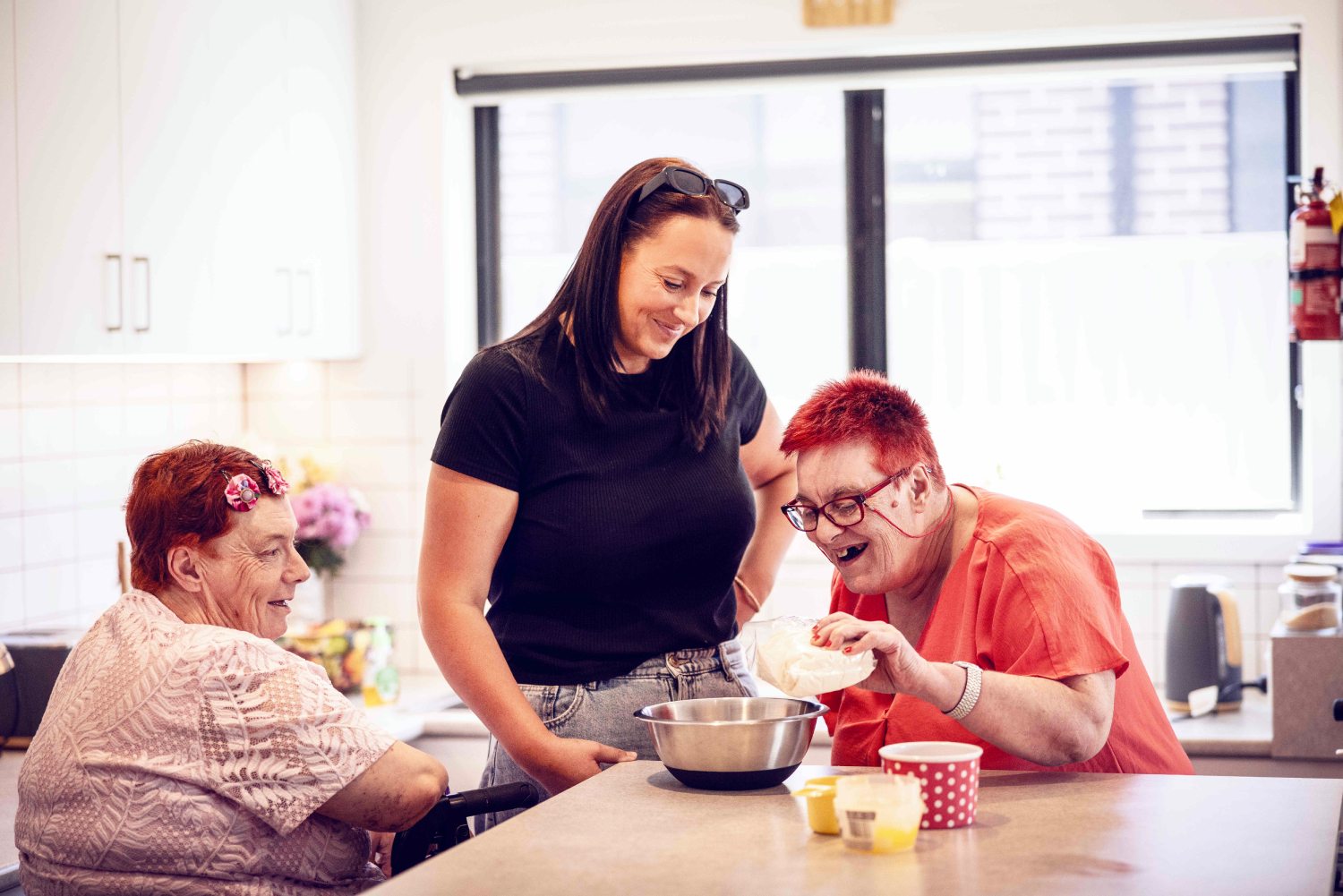
No two people are the same, you tailor your stay to your lifestyle: staying in, meeting new friends, or taking part in fun activities and outings. You get a break that works for you while your support network has peace of mind that you’re in a fun, well supported environment.
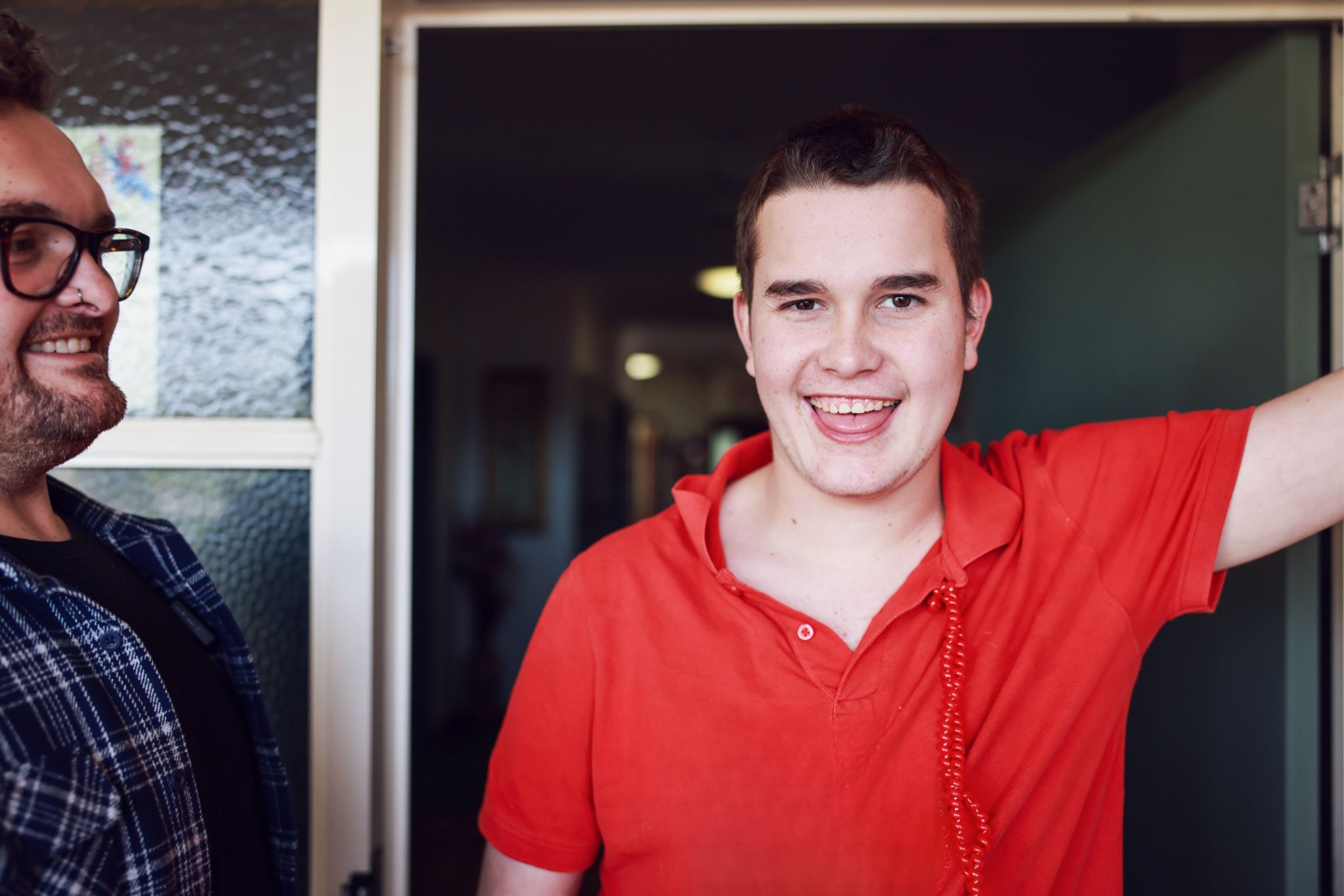
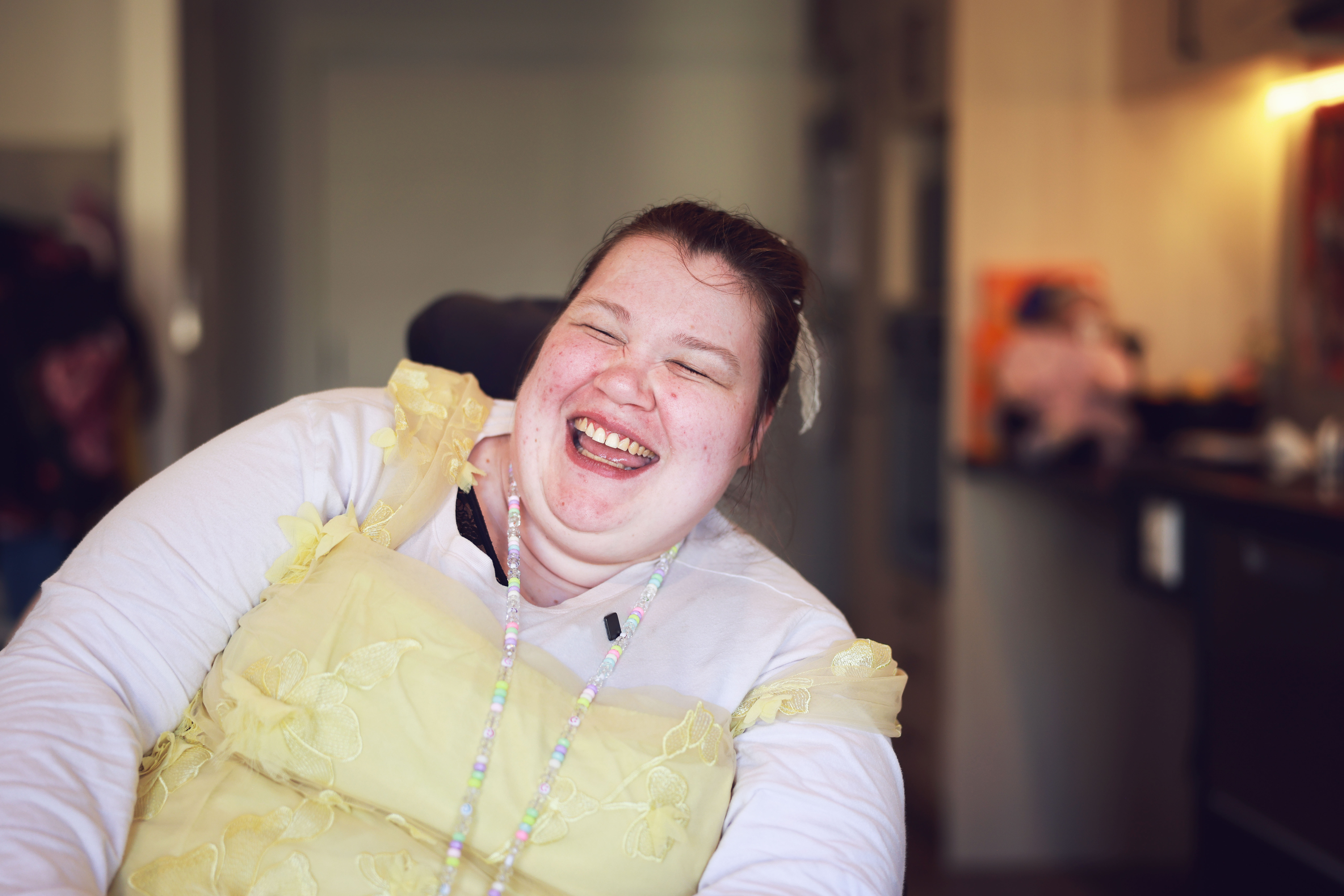
Include people with disability in your workplace, marketing, media, events and social content – not just on International Day of People with Disability. Authentic, everyday visibility challenges stereotypes, builds understanding and shows that people with disability are part of every aspect of community life.
Speak up when you notice inaccessible events, exclusionary language, low expectations or discrimination. Question why a building has no ramp, why a job ad lists unnecessary physical requirements, or why someone with disability wasn’t considered for a leadership role. Advocacy doesn’t require a big platform – it starts with everyday courage.
Inclusion isn’t about charity or inspiration – it’s about human rights, equity and participation. When someone asks for captions, a ramp, extra time or another adjustment, respond with respect and action. Access enables inclusion, options, dignity and full participation in society. It’s not optional.
Inclusive communities are great communities!
Share