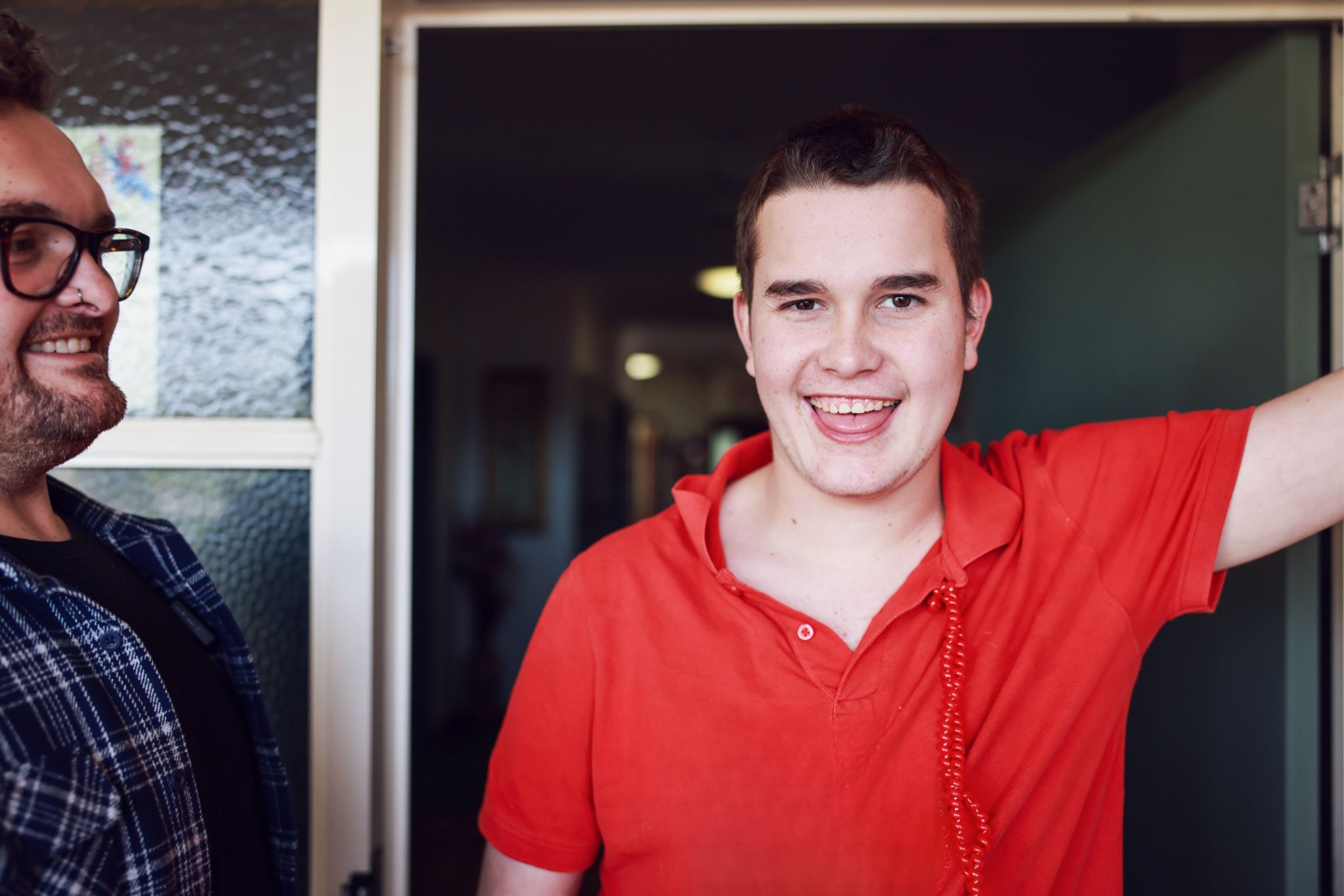
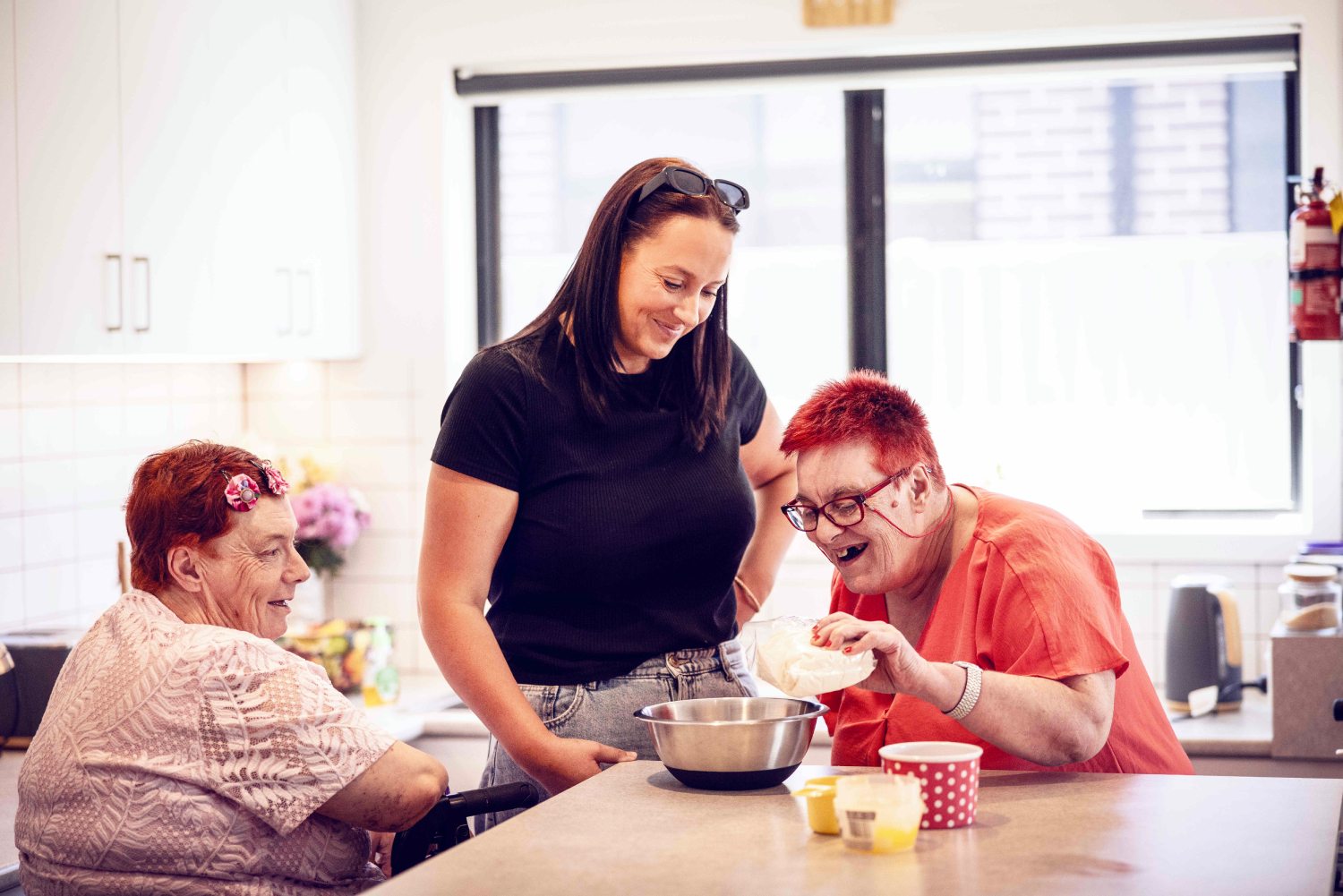
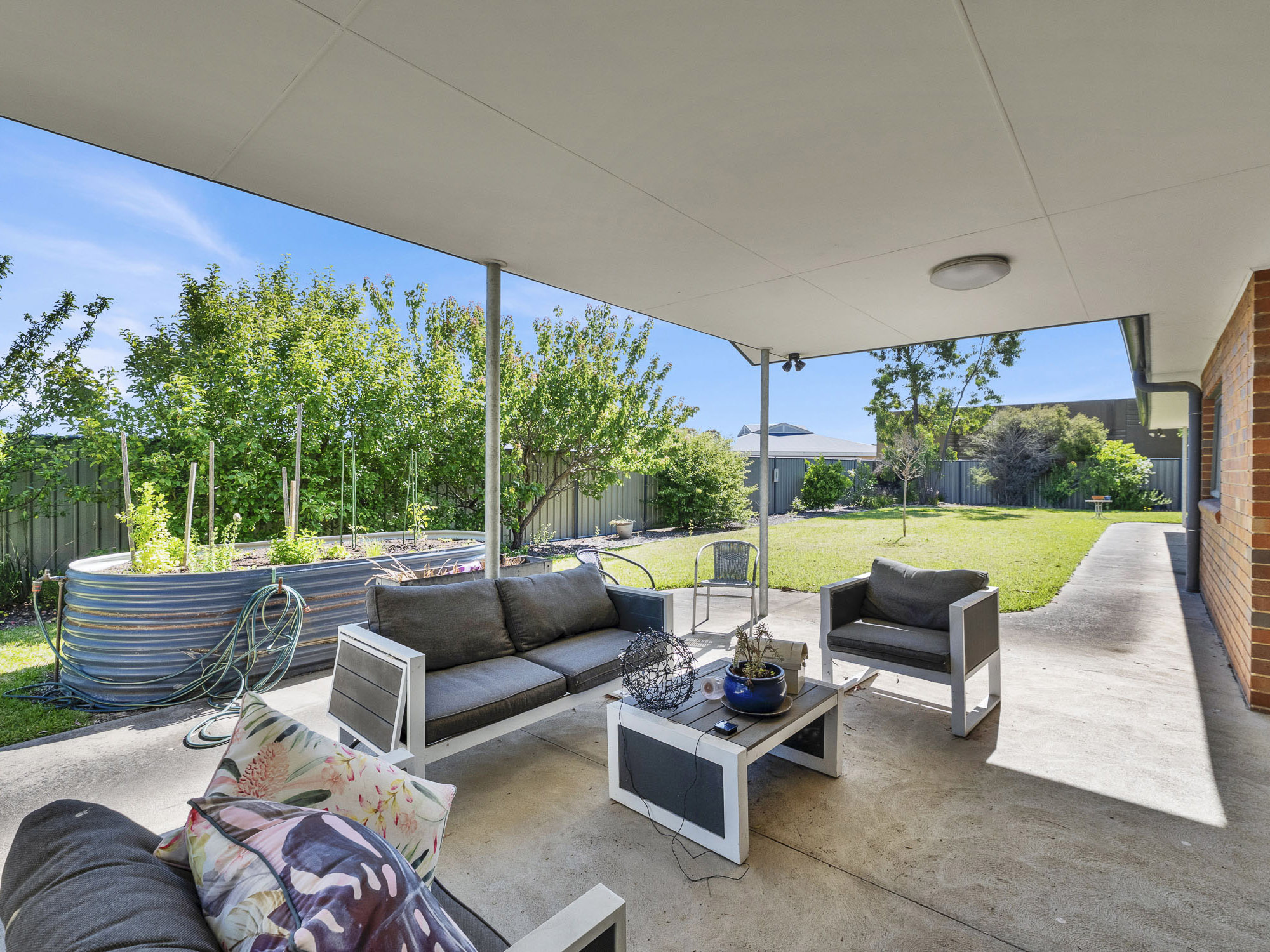
At Melba, we passionately believe everyone deserves the opportunity to live their best life, in the home they want, where they want, and with who they want.
We work alongside people to create places to live that have the right balance of support and independence, using the SIL and SDA funding in their NDIS plan, because a good life starts at home.
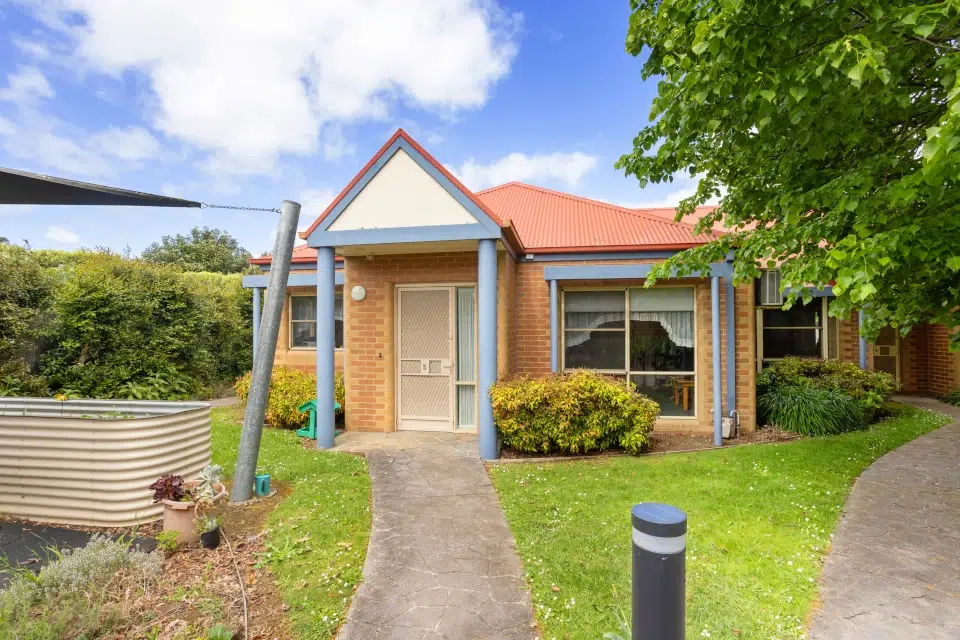
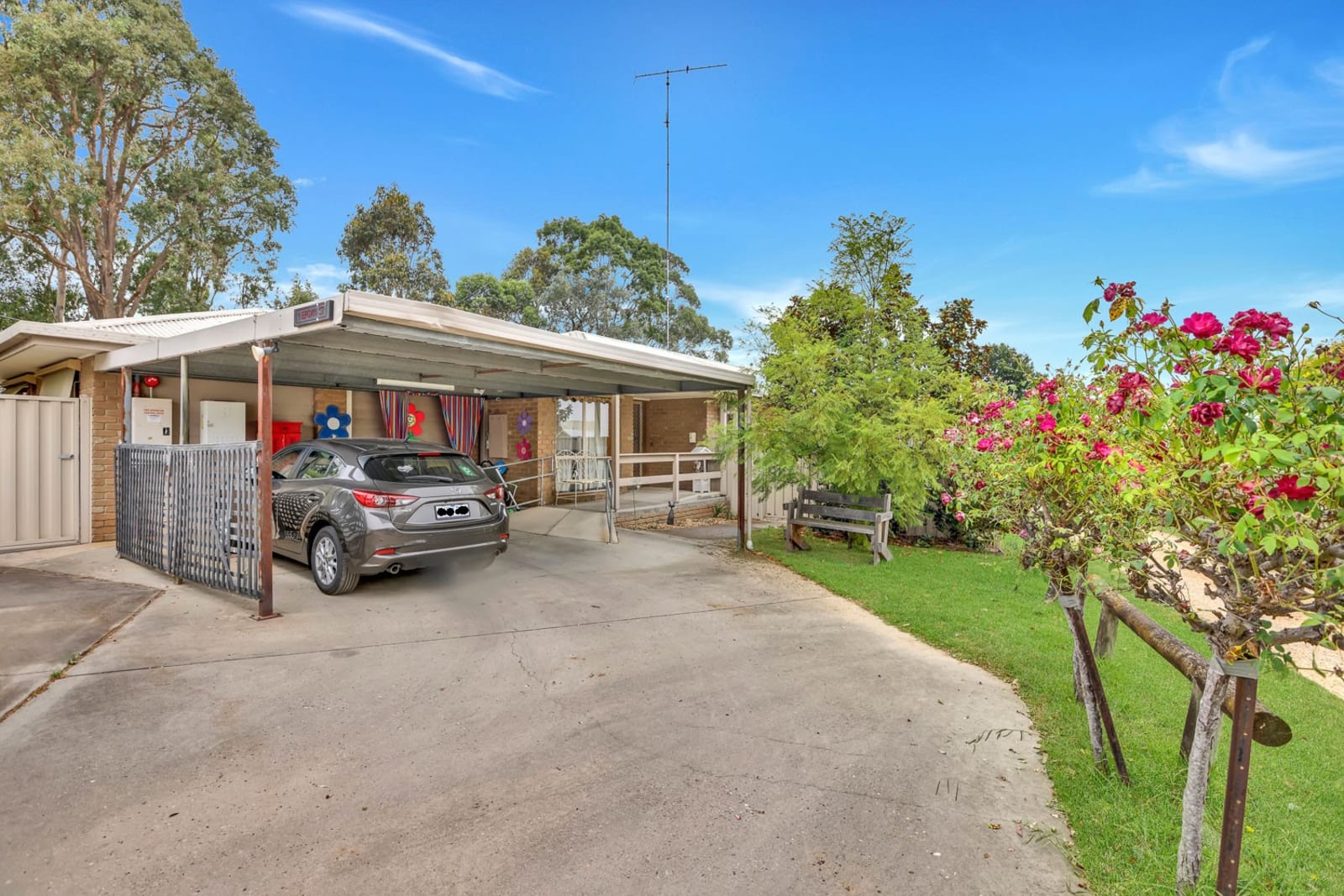
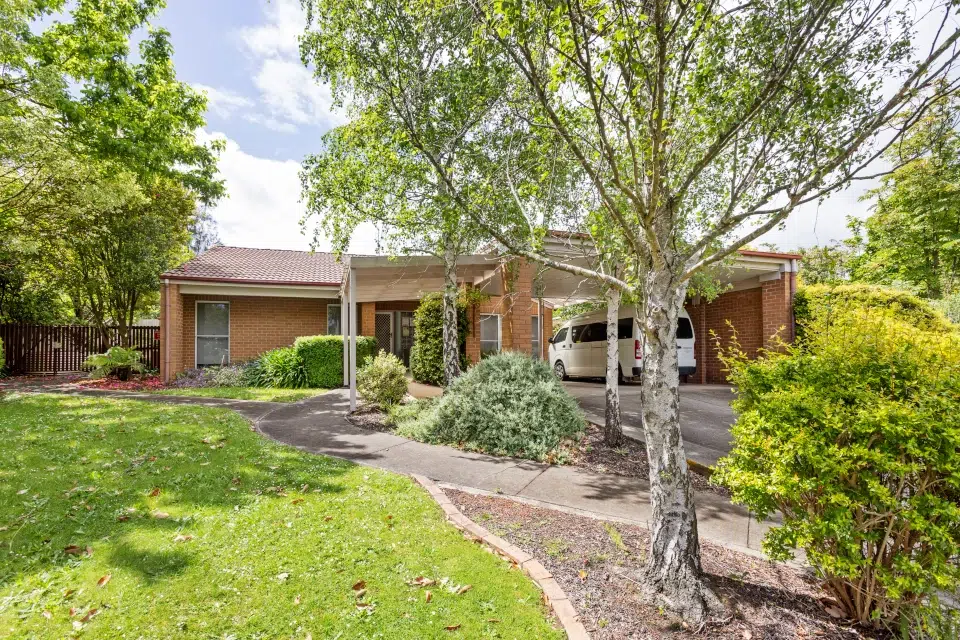
We have a range of vacancies in Gippsland with many more in development.
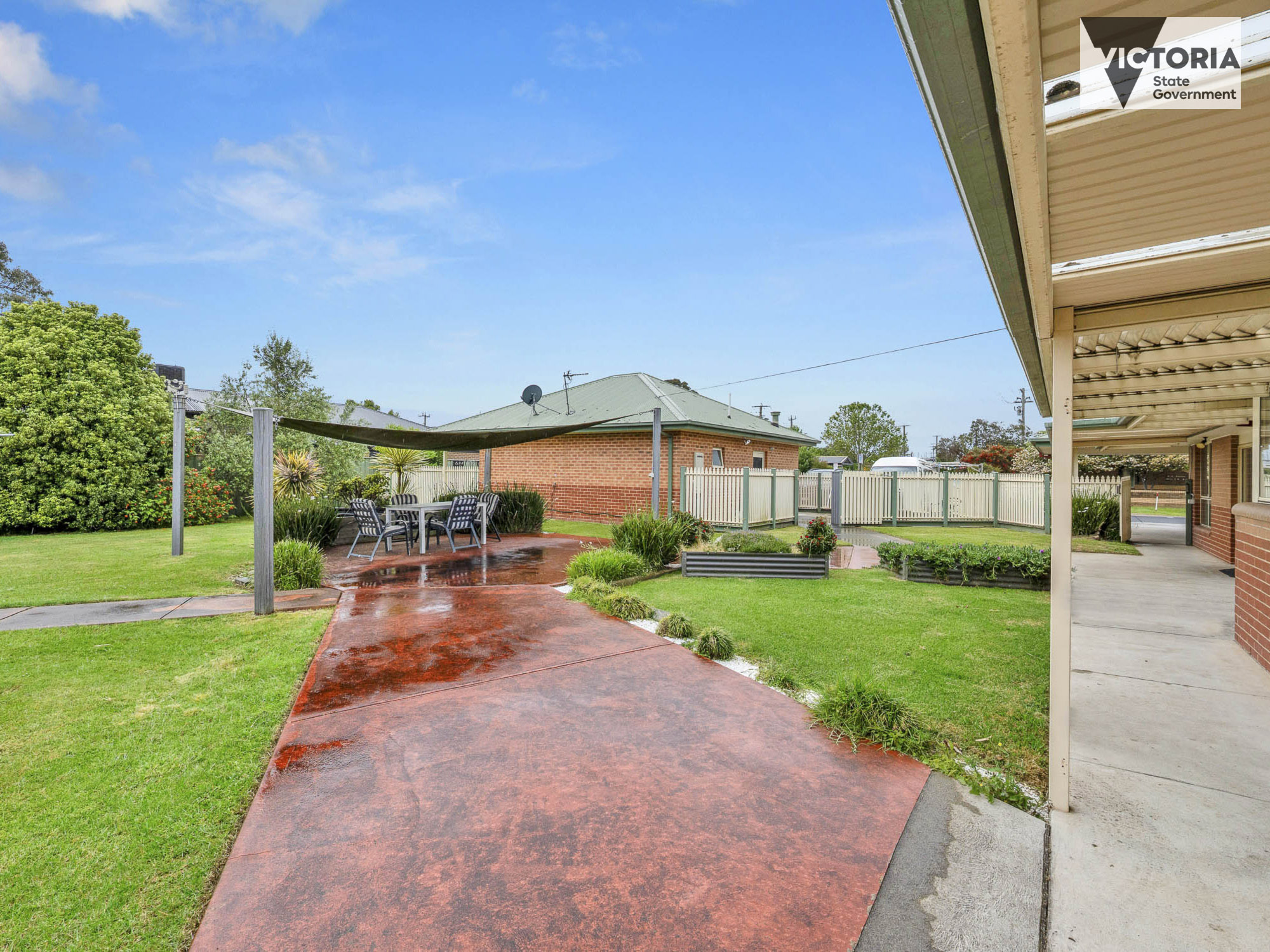
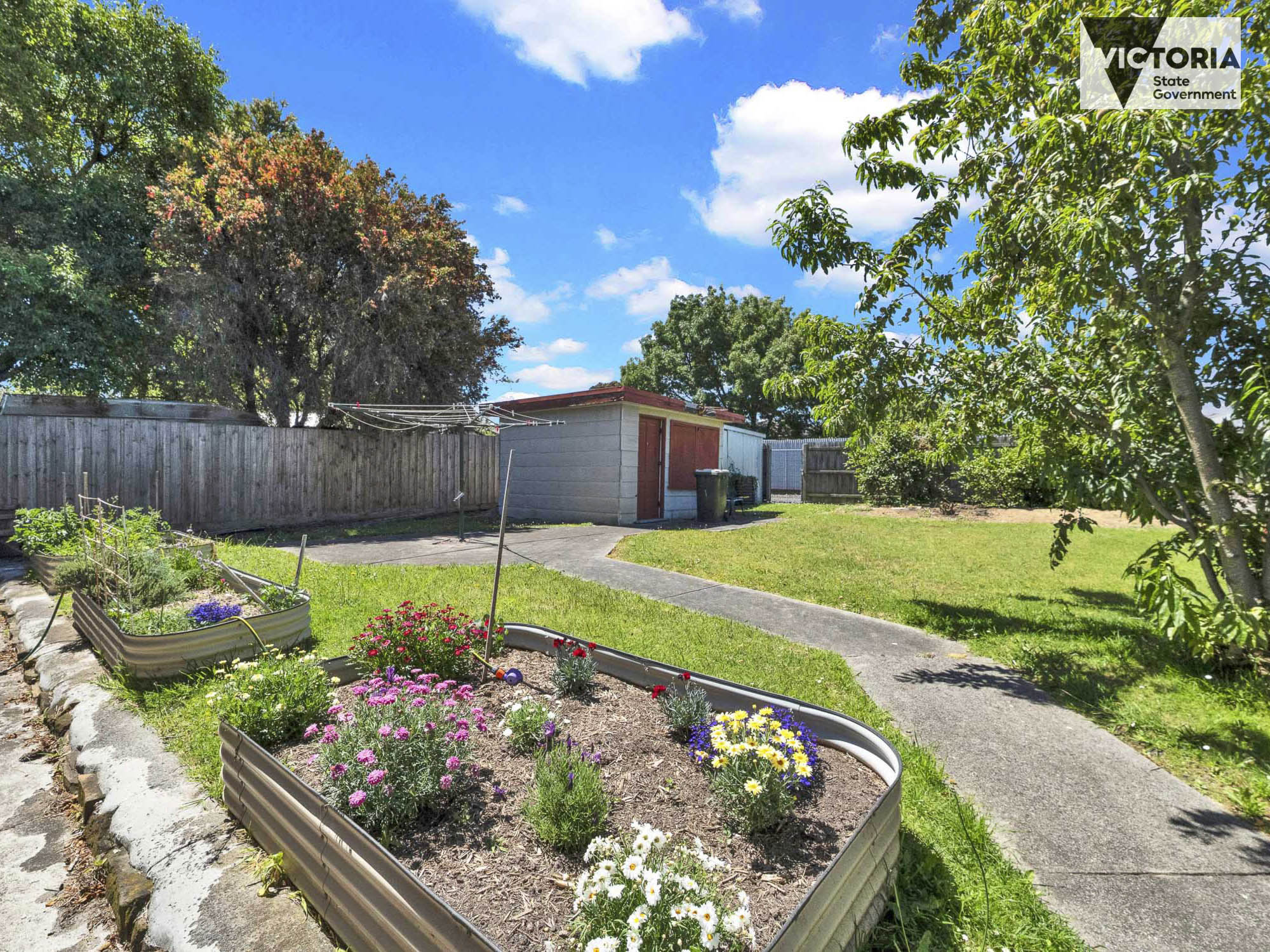
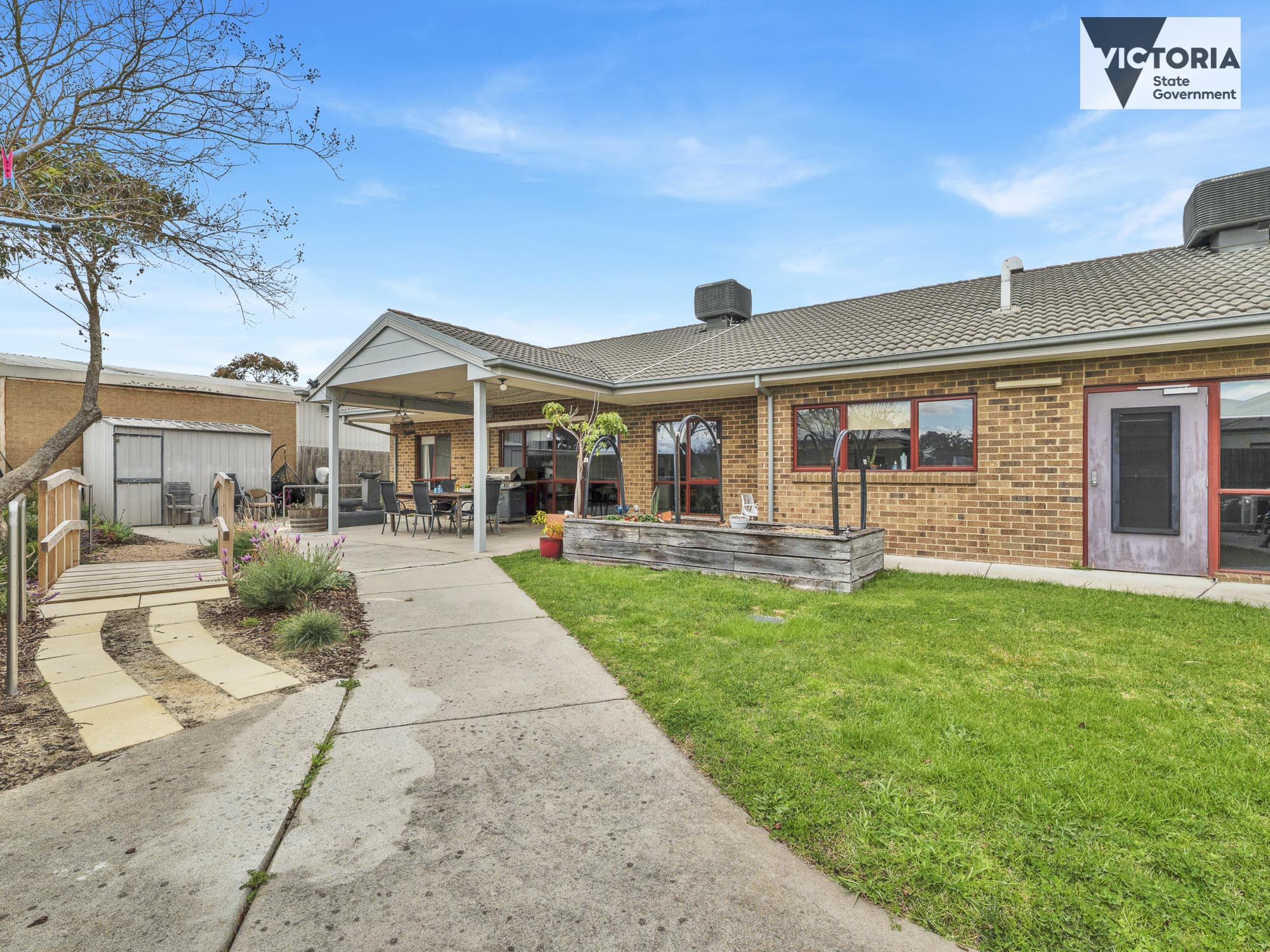
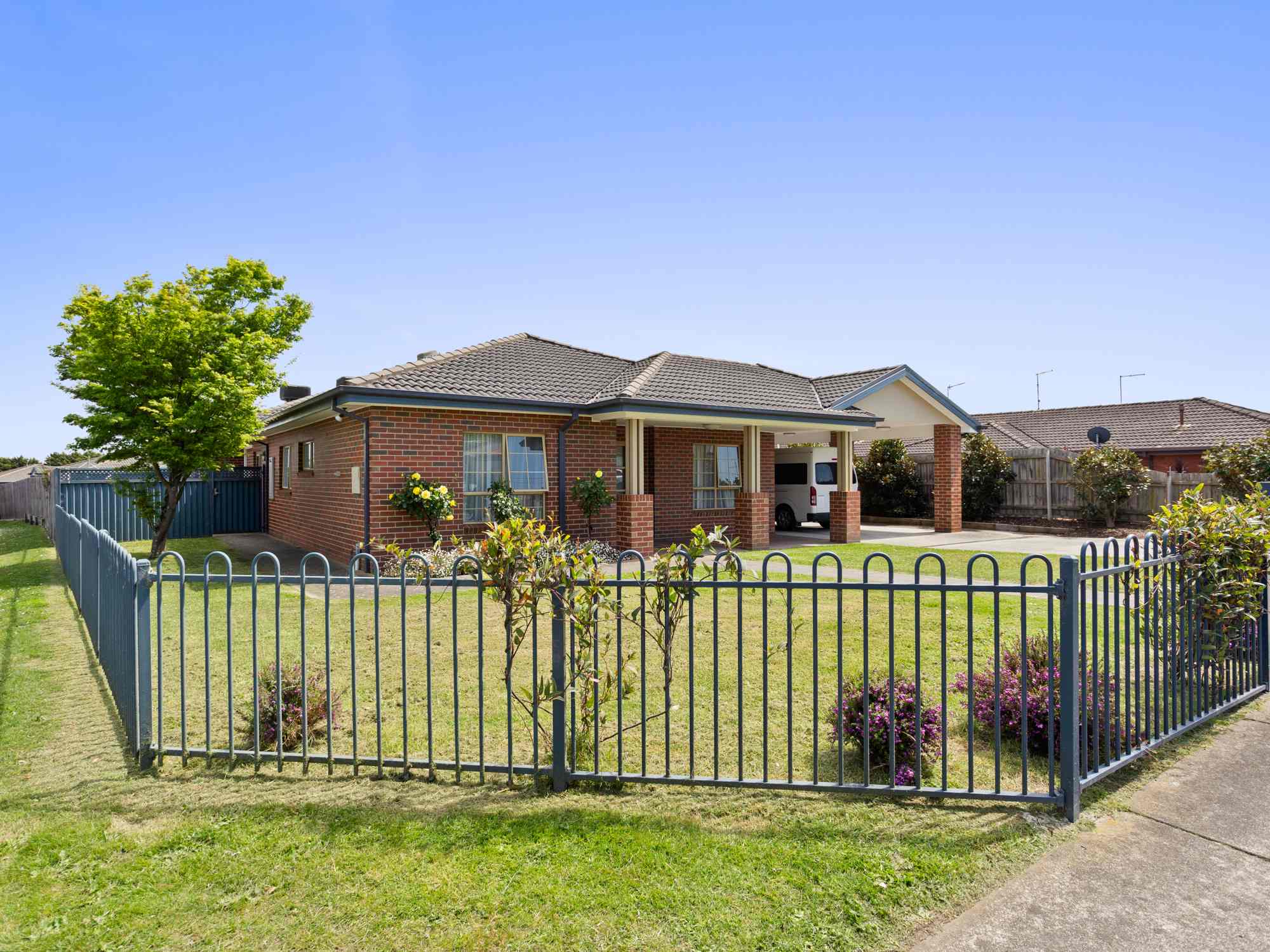
Contact us, if you’re looking for a home with a bit more room to move, something a bit greener, a tree change with access to transport.
Surrounding areas within
If you are seeking support for yourself or someone else, contact us today.
"*" indicates required fields
Supported Independent Living (SIL) means providing support in a person’s home as needed. It is offered for a range of different housing types and goes with funding you may receive from the NDIS. To find out more about NDIS support for SIL or Specialist Disability Accommodation, click on the links.
SDA is funding for the house itself and covers the design and accessibility features. SIL (supported independent living) is separate funding that covers the daily support services you receive at home.
Specialist Disability Accommodation:
SIL and SDA are two key components of disability support in Australia, primarily funded through the NDIS. Here’s how they work:
Specialist Disability Accommodation:
Specialist Disability Accommodation (SDA) and Supported Independent Living (SIL) are different types of NDIS supports that often work together. SDA funds the physical home itself, while SIL funds the daily support you receive inside the home.
While many people receive both SDA and SIL together, they are funded separately and don’t always have to go hand in hand. For example, you might receive SIL supports in a private rental or family home, or live in SDA housing while using a different support model that’s better suited to your situation (like Individualised Support Options).
1. Assessment of eligibility through NDIS planning.
2. Selection of appropriate housing and support providers.
3. Service agreement developed.
4. Regular reviews to ensure support meets needs.
We offer Supported Independent Living in Specialist Disability Accommodation homes across Victoria, including in and around:
Choosing a Supported Independent Living (SIL) provider is an important decision. The right provider will not only meet your support needs but also help you feel safe, comfortable, and at home.
At Melba, we encourage people and families to take their time, ask questions, and focus on what matters most to them.
It’s important to feel confident and informed. You might ask:
A great provider will:
You may want to reconsider if a provider:
Specialist Disability Accommodation (SDA) is available to NDIS participants with higher support needs. To be eligible, you must show that SDA will make daily life easier, and that it’s considered a ‘reasonable and necessary’ support, for you to live the life you want.
The NDIS will assess how much support you need to manage daily tasks. Specific eligibility factors include:
SDA houses are grouped into four design categories under the NDIS, with each one created to support different functional needs and levels of independence.
Improved Liveability
Designed for people with sensory, intellectual or cognitive disability, with calm, easy to navigate spaces and sensory friendly features.
Fully Accessible
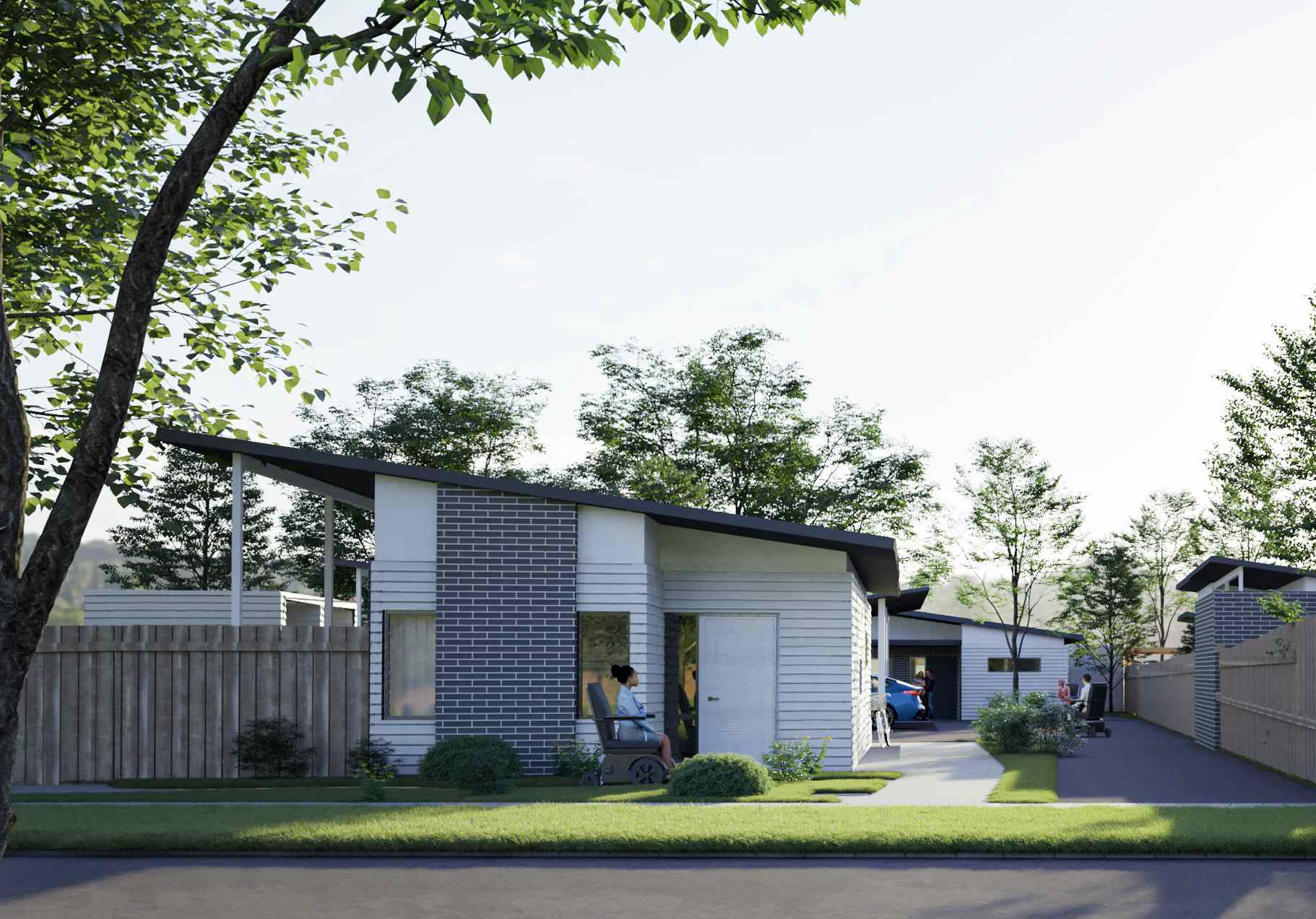
Built for people with physical disability, with wheelchair-friendly layouts, step- ree access and accessible bathrooms and kitchens.
High Physical Support
Designed for people with very high support needs, including features like ceiling transfer provisions, assistive technology and backup power.
Robust
Robust houses are for people who use behaviours of protest and need a safer, more secure living environment, using durable materials and safer design features.
Supported Independent Living (SIL) costs are usually split into two parts: disability support services funded by the NDIS, and the everyday living expenses you contribute to yourself.
The NDIS funding side covers the cost of support workers who assist with things like personal care, household tasks, and overnight support if needed. The amount of SIL funding someone receives varies considerably, often ranging between $80,000 to over $320,000 per year for people with high support needs.
SIL funding doesn’t pay for your housing or daily living expenses. Like anyone else renting or owning a home, you’re responsible for these costs – in shared living arrangements, costs are often divided between housemates. Some people may also be eligible for Centrelink Rent Assistance to help with housing costs.
Melba can help you understand what’s covered by your NDIS funding, what you may need to contribute to yourself, and how everything works, so you face no surprises.