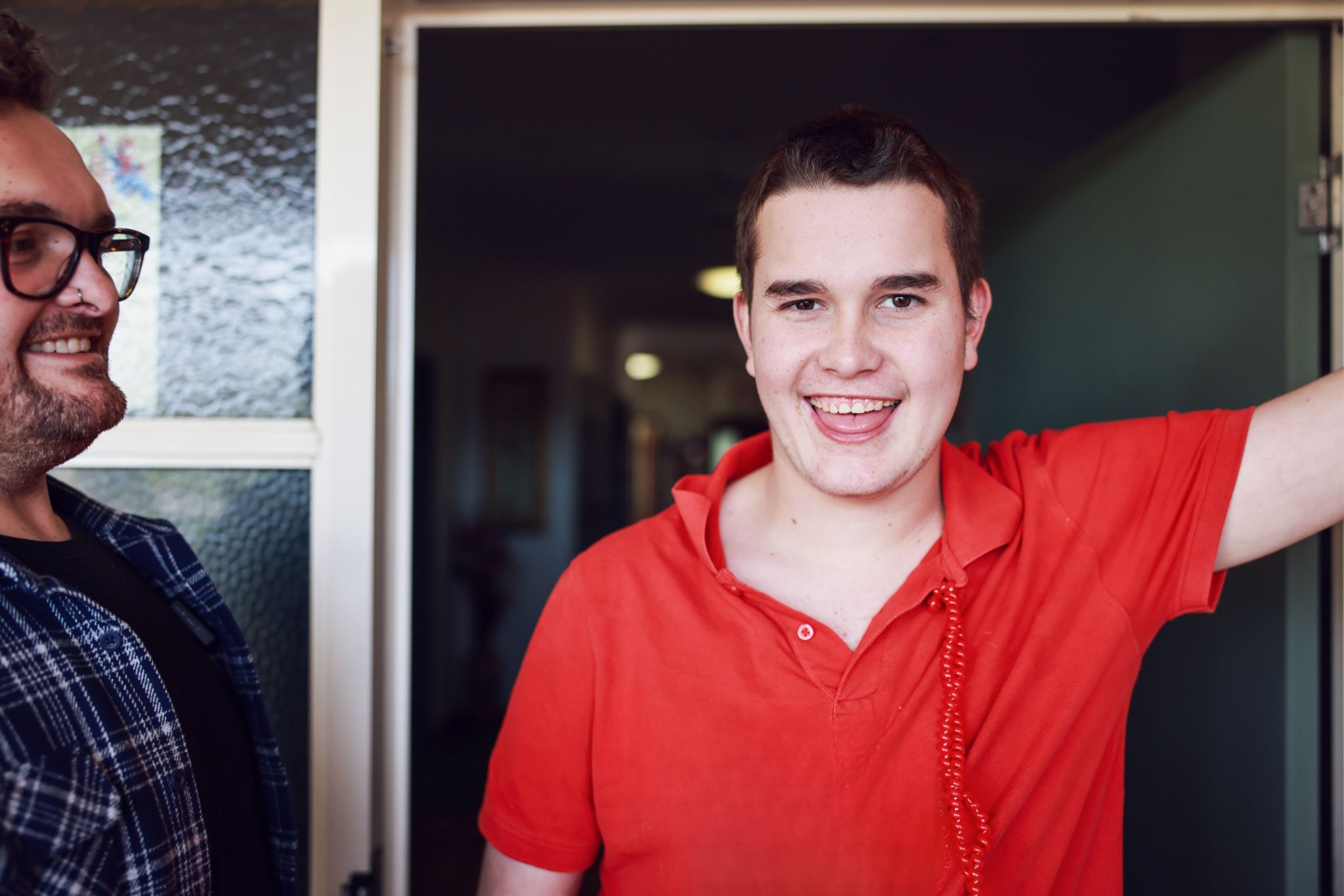
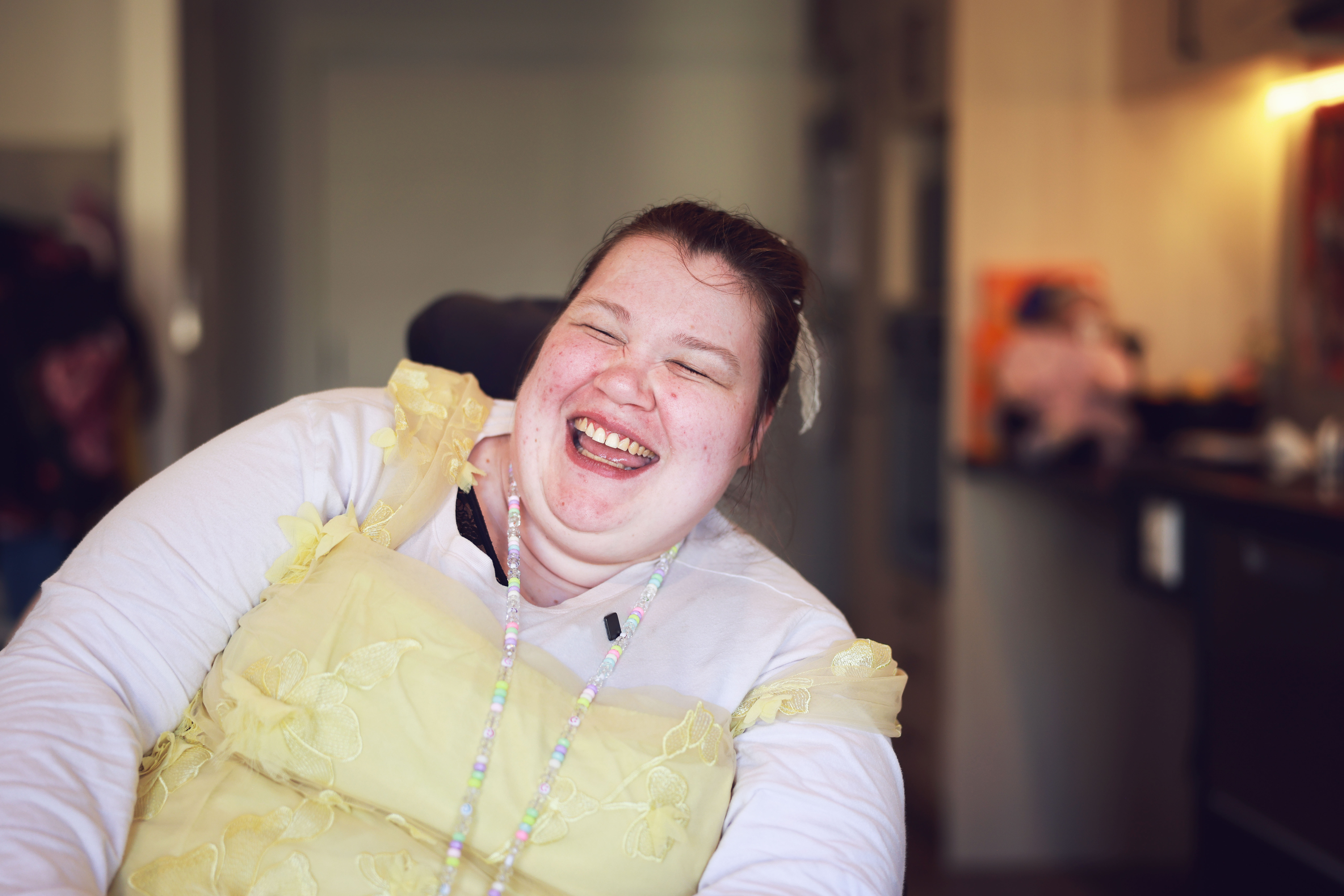
Australian children’s picture books are overwhelmingly failing to represent children with disability, new research has found.
An Edith Cowan University (ECU) study analysed 90 award-listed Australian picture books and identified “a glaring omission” in disability representation, according to lead author Associate Professor Helen Adam from ECU’s School of Education.
“Only one book included a character with a physical disability – and even then, the child using a wheelchair appeared briefly in the background and was depicted being pushed by another child,” she said.
The findings highlight the risk of reinforcing stereotypes and marginalising children with disability.
“This lack of inclusion is not only disappointing but also contributes to negative perceptions,” she said.
The report said the absence of disability representation in children’s picture books was “a critical gap that perpetuates harmful stereotypes and marginalises individuals with disabilities”.
“It is imperative that authors, illustrators, publishers, educators, and caregivers work together to promote inclusive language and imagery, challenge ableism, and create an environment where all readers feel valued and represented,” it said.
“By doing so, we can help shape a more compassionate and equitable society – one where every individual can thrive regardless of their abilities.”
While the study found progress in the portrayal of cultural diversity and family structures, representation of disability, neurodiversity and diverse abilities was “almost entirely absent”.
Adam said international movements were increasingly featuring characters with disability created by disabled authors, using strength-based narratives to build acceptance, educate able-bodied children, and foster self-worth among children with disability.
Read the full report here.